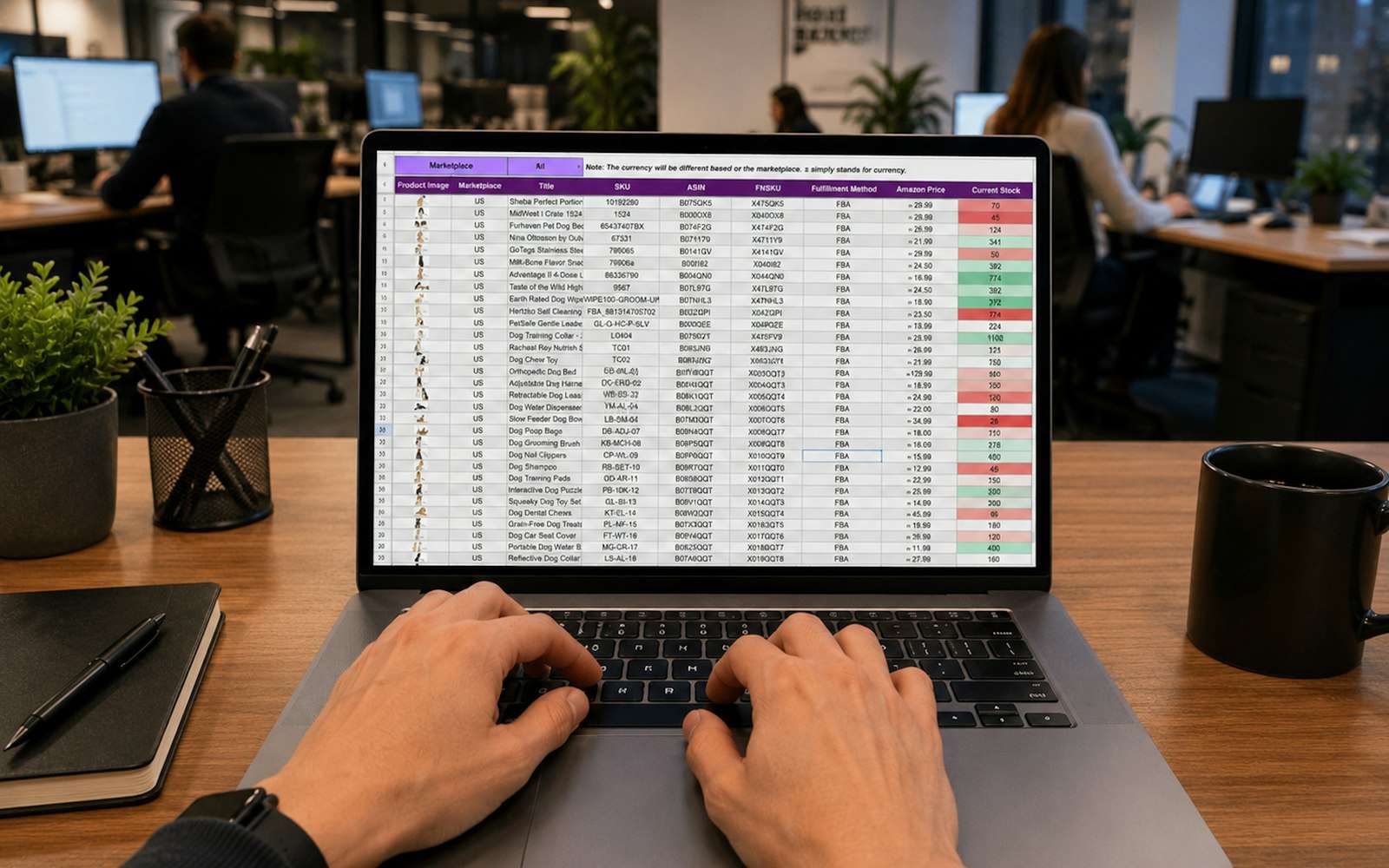

UAE e-invoicing forces a question many growing businesses have postponed for years: is the accounting package that got you here the system that will carry you through the next stage? From 1 January 2027 for businesses with annual revenue of AED 50 million or more, and from 1 July 2027 for everyone else, in-scope B2B and B2G invoices must be issued as structured data and exchanged through an Accredited Service Provider (ASP). A PDF attached to an email stops counting.
For businesses running Tally, QuickBooks or Zoho Books, that does not automatically mean a new ERP. It does mean an honest assessment. Here is how we frame the decision with clients.
What every system has to do, whatever the brand
The requirement is the same regardless of software. Your system must produce invoice data that maps to the UAE PINT AE specification, hand it to an accredited provider, receive incoming supplier e-invoices and keep a clean audit trail. In practice that breaks down into four capabilities.
- Structured output. Invoice and credit note data in, or reliably convertible to, the PINT AE format, with buyer and seller TRNs, tax categories and line-level detail.
- ASP connectivity. A tested connector or API route to an accredited provider, not a manual upload at the end of each day.
- Inbound processing. Supplier e-invoices received and matched against purchase orders and receipts, rather than rekeyed by hand.
- Exception handling. A way to see, own and fix rejected invoices before they hold up cash collection.
If your current package does all four reliably at your invoice volume, staying put is a legitimate choice. If it only manages the first through an add-on and a spreadsheet, read on.
Signs your current package can stay
- You issue a modest volume of invoices from a single legal entity.
- Your vendor or reseller has confirmed, in writing, PINT AE output and a named ASP integration for the version you run.
- Inventory, purchasing and projects are simple, or already live in another system that works well.
- Your finance team is not rekeying data between sales, stock and accounts every week.
In that situation the sensible move is to upgrade to the supported version, clean your master data, appoint your ASP and test during the pilot window. A full ERP project would cost more than it returns.
Signs it is time to move to Odoo
- Invoices are produced outside the accounting system, in Excel, a POS or a job management tool, and then summarised into it. Every manual hop is a rejection risk.
- You run more than one entity, branch or Designated Zone company, and consolidation is a monthly spreadsheet exercise.
- Stock, purchasing and sales live in different tools, so landed costs and margins are estimates.
- Your compliance plan depends on a third-party add-on nobody in-house understands.
- You are growing towards the AED 50 million threshold and would rather scale into compliance than retrofit it twice.
Two or more of these usually means the e-invoicing project is really an operations project. Bolting compliance onto fragmented systems simply digitises the fragmentation.
How the options compare
| Consideration | Stay on current package | Move to Odoo |
|---|---|---|
| E-invoicing route | Vendor update or add-on, plus your ASP | UAE localisation configured and connected to your chosen ASP |
| Invoices raised outside finance | Still need manual consolidation | Sales, POS, projects and accounting share one database |
| Inventory and purchasing | Basic, or held in separate tools | Multi-warehouse inventory, purchasing and landed costs built in |
| Multiple entities | Often separate files per company | Multi-company and inter-company in one instance |
| Upfront effort | Lower | Higher, typically 8 to 12 weeks for a focused scope |
| Long-term fit | Simple, low-volume operations | Growing, multi-department businesses |
What moving actually involves
A migration from Tally, QuickBooks or Zoho Books is mostly a data exercise rather than a software one. We typically bring across:
- The chart of accounts, mapped to the UAE localisation in Odoo
- Customers and suppliers, with TRNs validated and duplicates merged
- Products and services, with consistent tax codes
- Opening balances plus open receivables and payables
- An agreed period of transaction history, with older years kept as a read-only archive
Most businesses do not need every historical transaction inside the new system. Agreeing the cut-off early saves weeks. The cut-over date matters too: switching at a VAT period or financial year boundary keeps returns clean, and running both systems in parallel for one period exposes differences before they reach a customer.
Timing against your deadline
If you are in Phase 1, your ASP appointment deadline is 30 October 2026 and go-live is 1 January 2027. A full move to Odoo before then is only realistic if you are already well advanced. The pragmatic route may be to comply on your current system first and migrate during 2027 with less pressure.
If you are in Phase 2, you must appoint an ASP by 31 March 2027 and go live on 1 July 2027. That is a genuine window to do this properly. Starting an Odoo implementation now lets you test e-invoicing in the new system, rather than paying to make an old one compliant first.
Keep the commercial deadline in mind as well. Larger customers in Phase 1 may expect structured invoices from their suppliers well before your own legal date arrives. For the full timeline and ASP selection criteria, read UAE E-Invoicing: Your ERP Implementation Window Is Closing.
How Fitch Technologies helps
Our Odoo ERP implementation service starts with a readiness assessment that answers this exact question for your business: stay, adapt or move. If moving makes sense, our UAE-based team handles migration, configuration, ASP integration and training. If it does not, we will say so and help you make your current system compliant instead.
Book an e-invoicing readiness review with our Dubai team
This article is general information, not tax or legal advice. Fitch Technologies is not a tax advisory firm. The UAE e-invoicing framework is still evolving and at least one deadline has already been amended. Confirm current dates, thresholds and penalty provisions against Ministry of Finance and Federal Tax Authority publications and with your tax advisor before acting.