

You’ve put in the effort, time, and money to build a fantastic website—your digital storefront to the world. The hope, of course, is that it won’t just sit there looking pretty, but actually bring in a steady stream of new clients. The common hurdle, though, is how to consistently turn those website visitors into genuine leads, and then guide them toward becoming customers. It’s a challenge many businesses face: you get people to your site, but then what? This is precisely where marketing automation steps in, acting as a strategic engine to transform casual browsers into qualified leads, often working tirelessly in the background while you focus on running your business.
The Challenge of Manual Lead Management
Consider the traditional approach to lead generation without automation. A visitor lands on your site, maybe downloads a resource, or fills out a basic contact form. What happens next?
- Slow Response Times: A sales or marketing team member might manually review the submission, draft a personalized email, or attempt a follow-up call. If this takes hours, or even a day, the lead’s initial interest can wane. Studies consistently show that the quicker you respond to a lead, the higher your chances of conversion.
- Inconsistent Follow-Up: Human error is inevitable. Leads might be forgotten, follow-up emails might be generic, or critical information might not be passed correctly between teams. This leads to missed opportunities and a disjointed client experience.
- Lack of Personalization: Manually segmenting leads based on their interests and behavior on your site is time-consuming, if not impossible, at scale. This means generic messaging that fails to resonate with individual needs.
- Difficulty Scaling: As your website traffic grows, managing leads manually becomes unsustainable. What works for 10 leads a week collapses under the weight of 100 or 1,000. Your team gets bogged down in administrative tasks instead of focusing on high-value interactions.
- Poor Lead Nurturing: Not every visitor is ready to buy immediately. Many need more information, more convincing, or simply more time. Manually nurturing these leads with relevant content over weeks or months is a monumental task that often gets neglected.
These inefficiencies create a leaky funnel, where valuable leads slip away, costing your business potential revenue and wasting marketing efforts.
How Marketing Automation Transforms Your Website into a Lead Engine
Marketing automation is essentially software that automates repetitive marketing tasks, streamlines workflows, and helps you personalize experiences for your website visitors and leads. When integrated with your website, it creates a dynamic, responsive environment that actively works to capture, qualify, and nurture leads around the clock.
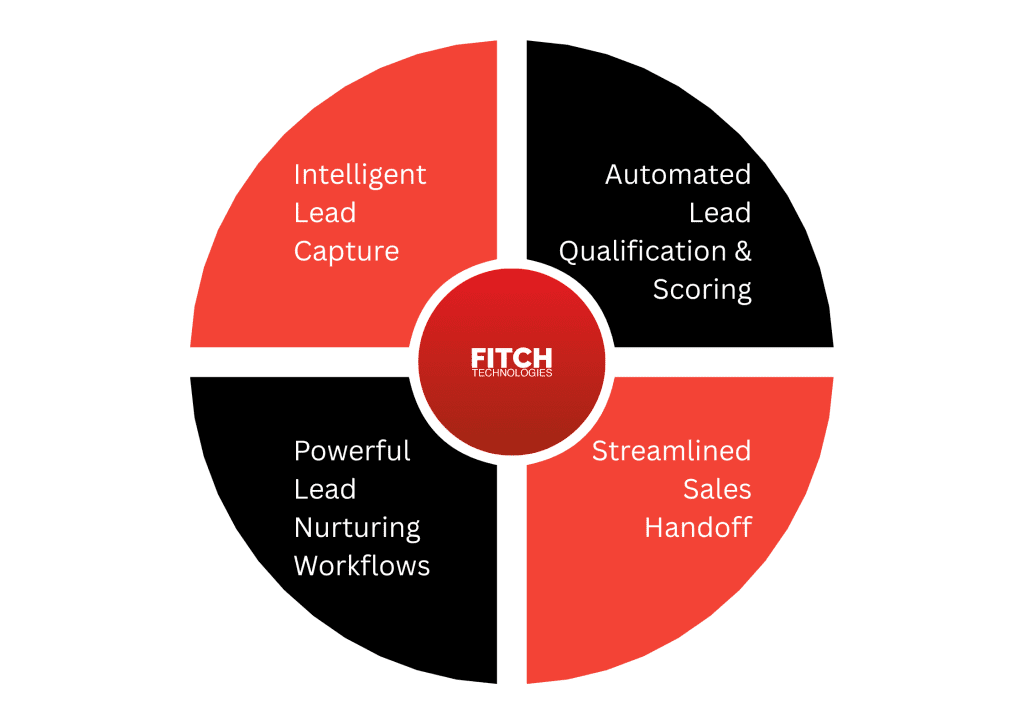
1. Intelligent Lead Capture: Your website isn’t just a brochure; it’s a data collection hub. Marketing automation tools enhance this by:
- Dynamic Forms: Create smart forms that adapt based on user input, asking more detailed questions only when relevant. They can also auto-populate fields for returning visitors, simplifying the experience.
- Pop-ups and Slide-ins: Strategically deploy pop-ups or slide-ins offering valuable content (e.g., an e-book, a webinar registration, a discount code) based on visitor behavior, like time spent on a page, exit intent, or specific page views.
- Live Chat and Chatbots: Integrate AI-powered chatbots that can answer common questions, qualify leads based on their responses, and even schedule appointments, ensuring no visitor query goes unanswered, even outside business hours.
- Personalized CTAs (Calls to Action): Display different CTAs to different visitors based on their Browse history, demographic data, or stage in the sales funnel. A first-time visitor might see a “Download Guide” CTA, while a returning one might see “Request a Demo.”
2. Automated Lead Qualification and Scoring: Not all leads are created equal. Marketing automation helps you prioritize your efforts:
- Lead Scoring: Assign points to leads based on their interactions (e.g., visiting key pages, downloading content, opening emails) and demographic information (e.g., job title, company size). This creates a score that indicates how “hot” a lead is.
- Automatic Segmentation: As leads engage with your site, the system automatically segments them into different lists based on their interests, behavior, and score. This allows for highly targeted follow-up.
- Notifications for Sales: When a lead reaches a certain score threshold or performs a high-value action (like requesting a demo), the system can automatically notify your sales team, providing them with context and enabling timely, informed outreach.
3. Powerful Lead Nurturing Workflows: This is where automation truly shines, keeping leads engaged until they’re ready to buy:
- Automated Email Sequences: Design multi-step email campaigns that trigger based on specific actions (e.g., downloading an e-book triggers a series of emails with related content). These sequences provide value, build trust, and move leads down the funnel.
- Personalized Content Delivery: Deliver relevant blog posts, case studies, videos, or product information to leads based on their expressed interests and previous interactions. This keeps your brand top-of-mind without being pushy.
- Behavior-Based Journeys: Create complex “if/then” scenarios. If a lead opens an email but doesn’t click, send a different follow-up. If they visit your pricing page multiple times, escalate their lead score and notify sales.
- Retargeting Integration: Connect your automation platform to advertising platforms to retarget website visitors with highly personalized ads based on what they viewed on your site.
4. Streamlined Sales Handoff: The transition from marketing to sales is often a point of friction. Automation smooths this over:
- CRM Integration: Sync your marketing automation platform with your Customer Relationship Management (CRM) system. When a lead is qualified, all their engagement history and relevant data are automatically passed to the sales team, giving them a complete picture.
- Task Automation for Sales: Automatically create tasks for sales reps (e.g., “Follow up with Lead X,” “Schedule call with Lead Y”) when leads reach a certain stage, ensuring no one falls through the cracks.
Beyond the Setup Maximizing Your Automation Investment
Implementing marketing automation is an ongoing process. Once the system is in place, the real work of optimization begins.
- Define Your Ideal Customer: Before automating, clearly understand who you’re trying to reach. What are their pain points? What content resonates with them? This guides your automation strategy.
- Map the Customer Journey: Plot out the typical path a customer takes from awareness to conversion. Identify key touchpoints where automation can add value.
- Create Compelling Content: Automation is only as good as the content it delivers. Invest in high-quality, valuable resources (e-books, webinars, templates, blog posts) that genuinely help your audience.
- Start Simple, Then Scale: Don’t try to automate everything at once. Begin with one or two key workflows (e.g., a welcome series for new subscribers) and expand as you gain confidence and data.
- Test, Analyze, and Optimize: Marketing automation platforms provide robust analytics. Regularly review your performance data (conversion rates, open rates, click-through rates) and A/B test different elements to continuously improve your campaigns. What kind of subject line gets more opens? Which CTA leads to more downloads?
- Don’t Forget the Human Touch: Automation should enhance, not replace, human interaction. Use it to nurture leads to a point where a personalized call or email from a sales rep is truly impactful, armed with relevant data.
- Stay Compliant: Ensure all your automation practices, especially email marketing, adhere to privacy regulations like GDPR and CAN-SPAM. Transparency and opt-in consent are paramount.
The Future of Website Lead Generation
Relying solely on manual processes for lead generation on your website is no longer a viable long-term strategy for growth. The expectations of modern consumers are high: they want personalized, relevant communication delivered quickly. Marketing automation empowers businesses to meet these expectations efficiently and at scale.
By strategically implementing automation, your website transforms from a static online brochure into a proactive, 24/7 lead generation and nurturing machine. It frees up your team from repetitive tasks, allowing them to focus on what humans do best: building relationships and closing deals. Investing in marketing automation isn’t just about adopting new technology; it’s about building a smarter, more efficient, and ultimately more profitable pathway from website visitor to loyal customer.

